Foreign Trade Payment Methods: An In-Depth Guide
In the world of international commerce, foreign trade payment methods form the foundation of cross-border transactions, ensuring seamless and secure exchanges between buyers and sellers. For businesses engaged in global trade, understanding these payment mechanisms is essential to minimize risks and streamline operations. This article provides an overview of foreign trade payments, explores the various payment methods available, discusses how to select the most appropriate method, and outlines important precautions to consider during the selection process.
What is Foreign Trade Payment?
Foreign trade payment refers to the financial transactions involved in the purchase and sale of goods and
services across different countries. These payments involve transferring funds from the buyer to the seller
in exchange for delivered goods or services. The process often requires the participation of intermediaries
such as banks, which facilitate the transfer of funds and offer various financial instruments and guarantees
to mitigate risks for both parties.
Common Foreign Trade Payment Methods
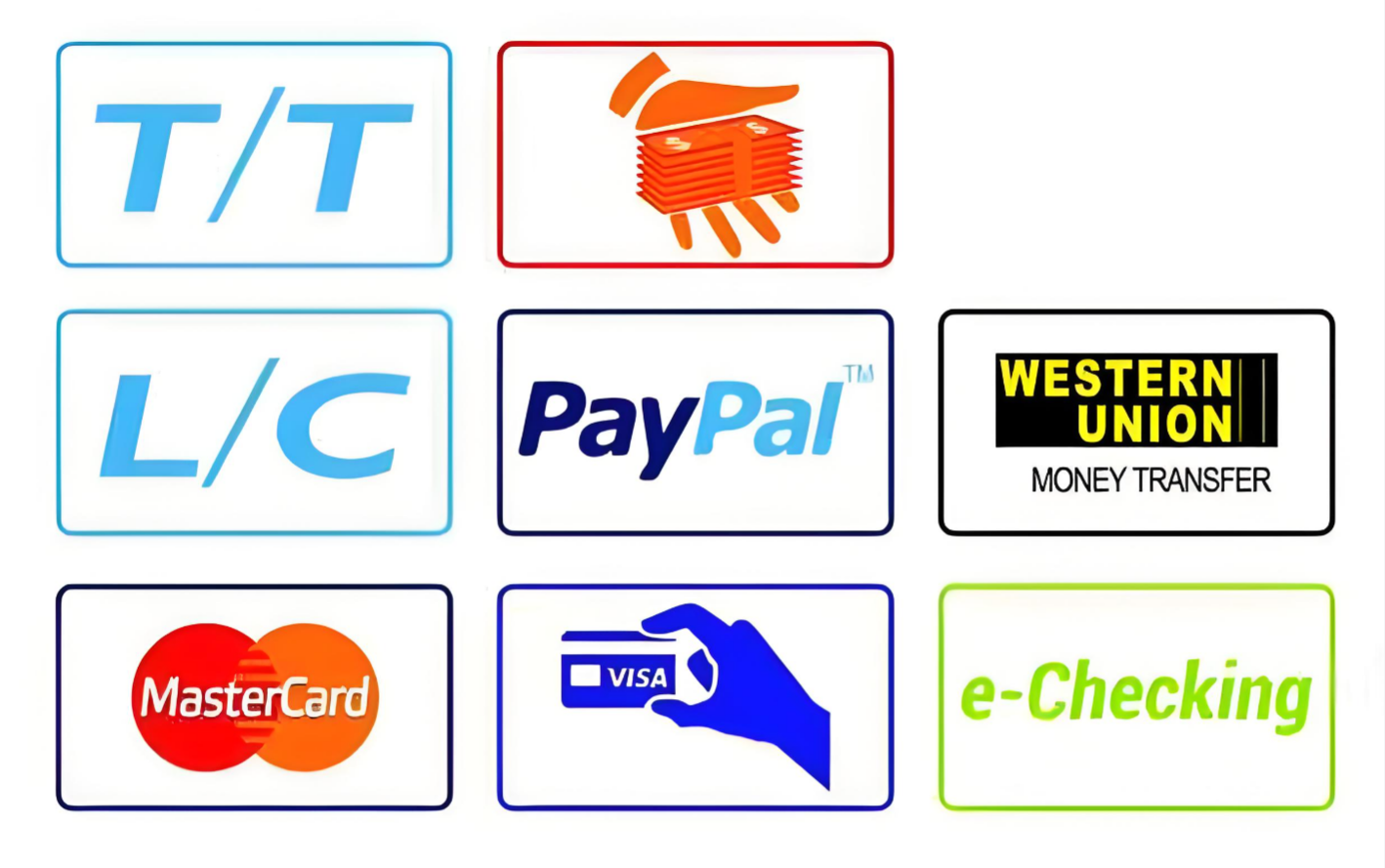
Several foreign trade payment methods are commonly used in international transactions. Each method offers
distinct advantages and is suited to specific scenarios:
1. Letter of Credit (L/C)
A letter of credit is a financial instrument issued by the buyer's bank, guaranteeing payment to the
seller once the specified terms and conditions are met.
Benefits: High security for both parties, as the bank reduces the risk of non-payment or non-delivery.
Best For: Transactions with high value or low trust between parties.
2. Documentary Collection (D/C)
In a documentary collection, the seller ships the goods and submits shipping
documents to their bank, which forwards them to the buyer's bank along with a bill of exchange.
Process: The buyer pays their bank upon accepting the documents, after which the bank releases the documents
to the buyer.
Benefits: More flexible and cost-effective than letters of credit but less secure.
Best For: Moderate trust relationships and mid-sized transactions.
3. Advance Payment
With advance payment, the buyer pays the full amount upfront, before the goods are shipped.
Benefits: Maximum security for the seller, as they receive payment before delivery
Risks: High risk for the buyer, as there is no guarantee of goods being delivered.
Best For: Transactions where the seller holds significant leverage or trust.
4. Open Account
In an open account arrangement, the seller ships the goods and invoices the buyer, who pays at a later
date (usually within 30 to 90 days).
Benefits: Convenient and cost-effective for the buyer.
Risks: Least secure for the seller, as there is no upfront payment guarantee.
Best For: Transactions with high trust between the parties.
5. Wire Transfer (T/T)
Wire transfer involves the electronic transfer of funds directly from the buyer’s bank account to the
seller’s account.
Benefits: Fast and widely accessible.
Best For: Small to medium transactions with moderate trust.

How to Choose the Right Foreign Trade Payment Method
Selecting the most suitable payment method for international trade depends on several factors:
Level of Trust:
The trust between the buyer and seller is critical. Higher trust may allow for flexible options like open
accounts or advance payments, while lower trust may require more secure methods like letters of credit.
Transaction Value:
Larger transactions often demand secure methods such as letters of credit, while smaller transactions may
use more straightforward methods like wire transfers or open accounts.
Risk Tolerance:
Both buyers and sellers must assess their tolerance for financial risk and choose a payment method that
aligns with their comfort levels.
Regulatory Environment:
Local laws and regulations in the buyer’s and seller’s respective countries can impact the feasibility of
certain payment methods. Always ensure compliance with these regulations.
Precautions When Choosing a Foreign Trade Payment Method
To ensure a smooth and secure transaction, businesses should take the following precautions when selecting
a payment method:
Understand the Risks:
Familiarize yourself with the risks associated with each payment method and how they might impact both
parties.
Bank Reputation:
Ensure that the banks facilitating the transaction are reputable and
experienced in handling international payments.
Compliance with Regulations:
Verify that the chosen payment method complies with all relevant laws and
regulations in both countries involved in the trade.
Clear Contract Terms:
Clearly outline payment terms, conditions, and expectations in the sales
contract to avoid disputes or misunderstandings.
Currency Risk Management:
Consider the impact of currency fluctuations on the transaction and explore
hedging strategies to mitigate exchange rate risks.

Foreign trade payment methods are integral to international commerce,
ensuring that cross-border transactions are conducted efficiently and securely. By understanding the
available payment options, assessing relevant factors, and taking necessary precautions, businesses can
select the most appropriate payment method to meet their needs. Choosing the right approach not only
minimizes risks but also fosters smoother and more reliable global trade relationships.