The Rise of Cross-Border Card Payments: Transforming Global Transactions
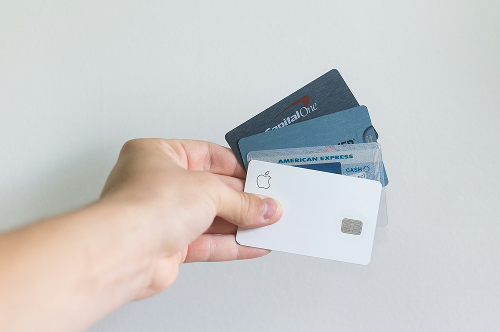
Cross-border card payments have become a core driver of global business development, revolutionizing the way individuals and businesses conduct international transactions. Cross-border card payments refer to the use of payment tools, such as credit or debit cards, by cardholders to make purchases or withdraw cash in countries outside the issuing country. This transaction process relies on a complex system composed of financial institutions, payment processors, and card networks to ensure that transactions are completed securely, efficiently, and on time. The globalization of e-commerce is the main driving force behind the growth of cross-border card payments.
What Are Cross-Border Card Payments?
Cross-border card payments are transactions where a cardholder uses a payment card, such as a credit or debit card, to make purchases or withdraw cash in a country other than the one where the card was issued. These transactions are facilitated by a complex network of financial institutions, payment processors, and card networks, which work together to ensure that each transaction is secure, efficient, and completed on time.
The Growth of Cross-Border Card Payments
One of the primary drivers behind the rise in cross-border card payments is the increasing globalization of e-commerce. With the growth of online marketplaces and the convenience of shopping from virtually anywhere in the world, consumers are increasingly purchasing from international merchants. This shift to digital commerce has created a need for a robust infrastructure to handle cross-border payments, with card payments being the method of choice due to their convenience and broad acceptance.
Technology Advancements Enhancing the Experience
Advancements in technology have also played a pivotal role in improving the cross-border payment experience. Innovations like tokenization—where sensitive card details are replaced with a unique digital token—have greatly enhanced security, reducing the risks associated with card transactions. Additionally, the rise of real-time payment processing systems has shortened transaction times, making cross-border card payments nearly as instantaneous as domestic payments.
Benefits for Businesses
For businesses, cross-border card payments offer numerous advantages. They allow merchants to tap into new international markets, thereby expanding their customer base and increasing revenue potential. Moreover, accepting international card payments can boost a company’s credibility and reputation, signaling to customers that the business is a global player in the marketplace.
Challenges of Cross-Border Card Payments
Despite their benefits, cross-border card payments are not without challenges. Currency conversion fees, exchange rate fluctuations, and regulatory compliance requirements can add complexity and costs to these transactions. For instance, cardholders may be hit with extra charges for currency conversion or face unpredictable exchange rates that increase the cost of purchases.
To address these challenges, financial institutions and payment service providers are continually developing new solutions. Innovations such as dynamic currency conversion, which allows consumers to see the price in their local currency at the point of sale, and integrated compliance tools are helping to streamline cross-border transactions and reduce costs for both businesses and consumers.
Cross-border card payments have become an integral part of the global economy, driving international trade and making it easier to access goods and services worldwide. As technology continues to evolve and the global marketplace becomes even more interconnected, the importance of efficient and secure cross-border payment systems will only continue to grow. For consumers, businesses, and as technology continues to evolve and the global marketplace becomes even more interconnected, the importance of efficient and secure cross-border payment systems will only continue to grow. For consumers, businesses, and financial institutions, adapting to this evolving landscape with innovation and flexibility will be key to harnessing the full potential of cross-border card payments in the future.