'%3e%3cpath%20d='M1664.95%20646.572C1725.07%20466.031%201567.87%20287.837%201381.24%20324.976L1020.45%20396.773L560.604%20468.54C282.926%20511.876%20229.807%20888.884%20484.7%201007.26C550.614%201037.87%20625.748%201042.07%20694.665%201019.01L1102.73%20882.437C1121.4%20876.188%201140.5%20871.327%201159.89%20867.892L1472.92%20812.419C1562.51%20796.544%201636.21%20732.892%201664.95%20646.572Z'%20fill='url(%23paint0_linear_3824_2238)'%20fill-opacity='0.81'/%3e%3c/g%3e%3cdefs%3e%3cfilter%20id='filter0_f_3824_2238'%20x='0'%20y='0'%20width='1998'%20height='1353.73'%20filterUnits='userSpaceOnUse'%20color-interpolation-filters='sRGB'%3e%3cfeFlood%20flood-opacity='0'%20result='BackgroundImageFix'/%3e%3cfeBlend%20mode='normal'%20in='SourceGraphic'%20in2='BackgroundImageFix'%20result='shape'/%3e%3cfeGaussianBlur%20stdDeviation='160'%20result='effect1_foregroundBlur_3824_2238'/%3e%3c/filter%3e%3clinearGradient%20id='paint0_linear_3824_2238'%20x1='1460.23'%20y1='257.829'%20x2='73.472'%20y2='695.158'%20gradientUnits='userSpaceOnUse'%3e%3cstop%20offset='0.216346'%20stop-color='%23CFD0FF'/%3e%3cstop%20offset='0.610577'%20stop-color='%23F1E7FF'/%3e%3cstop%20offset='1'%20stop-color='%23FFBCCF'/%3e%3c/linearGradient%3e%3c/defs%3e%3c/svg%3e)
When Your Software Vendor Becomes Your Payment Processor: The Hidden Cost of Bundled Payments
Half of US merchants take payments through their software vendor. Learn where bundled embedded payments cap growth and when to add orchestration.
洞察
我們的洞察中心深入解讀全球商業不斷演變的支付格局。
Half of US merchants take payments through their software vendor. Learn where bundled embedded payments cap growth and when to add orchestration.
RTP clears up to $10M instantly and FedNow runs 24/7. See how to route across instant, ACH and international rails from one payment platform.

Holding seller funds can make your platform a money transmitter. Compare merchant of record, payment facilitator and licensed partner models.
Cards are under half of ecommerce value in many markets. Build a local payment method mix that converts when you sell across borders in 2026.
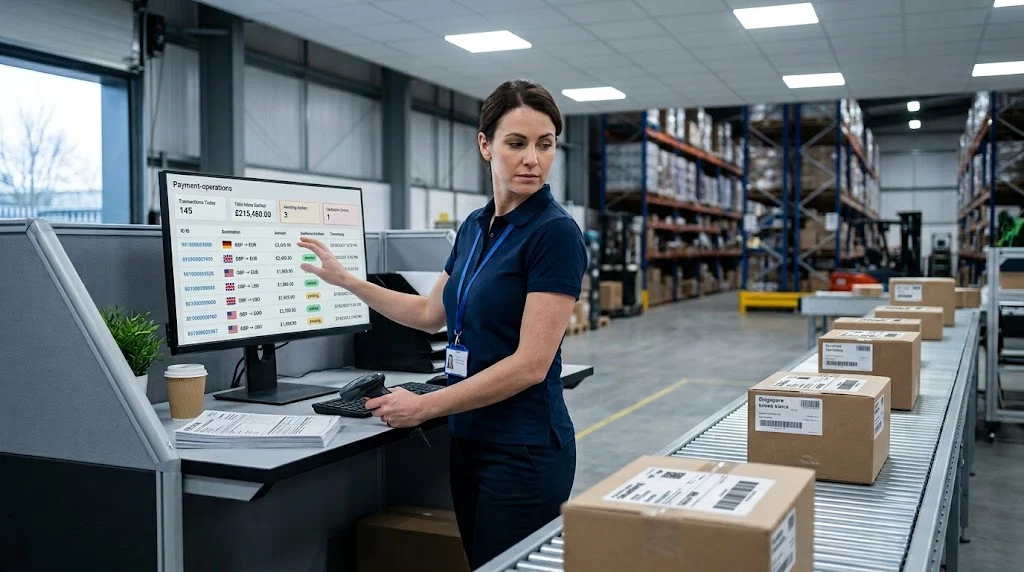
A practical UK guide to choosing one global payment platform instead of adding regional-provider complexity as you scale.
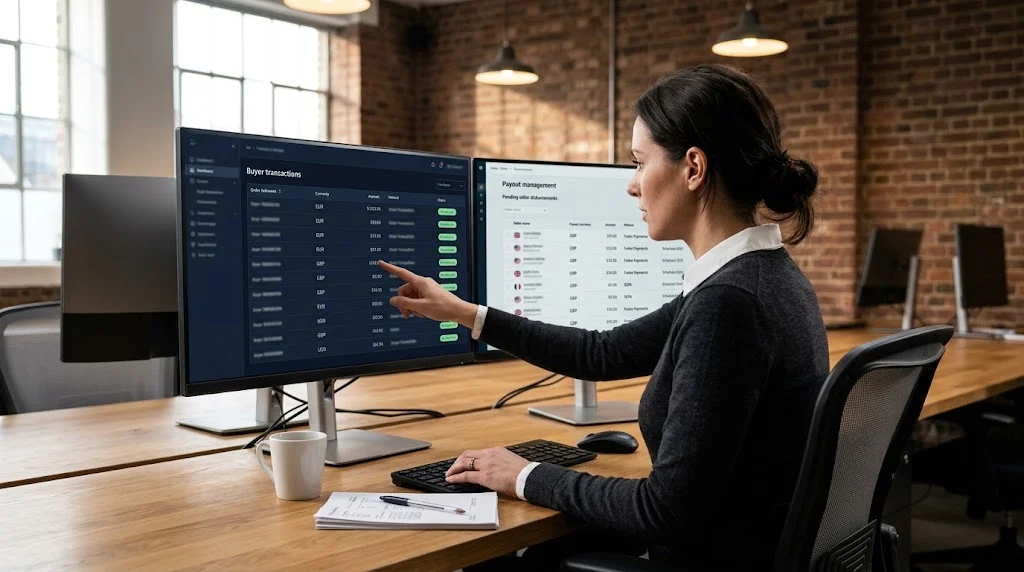
How UK marketplaces combine buyer acceptance, seller payouts, treasury, and compliance in one scalable payment architecture.
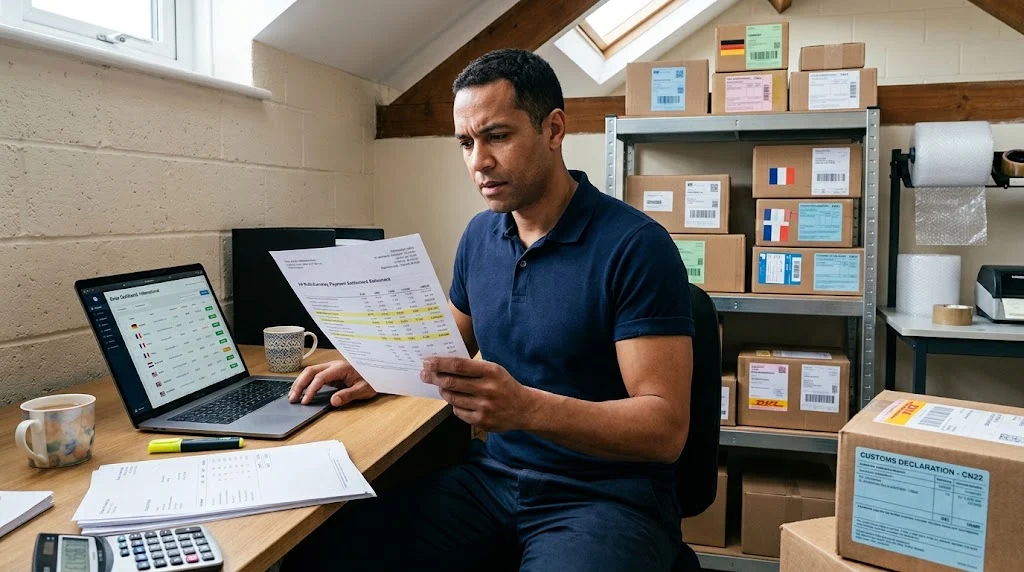
A UK seller’s guide to finding hidden FX costs and protecting international margins with multi-currency payment processing.

Find where avoidable payment declines cost your business revenue and the practical levers UK enterprises can use to recover it at scale.
A financial institution buyer guide comparing ONERWAY payments with traditional gateways across compliance, settlement, and embedded finance.
See the cost of inefficient payment routing and the regional benchmarks global businesses can use to recover revenue.

A US platform’s playbook for managing FX, local payment methods, and global routing when expanding overseas.

A practical enterprise checklist for assessing payment gateway licensing, reliability, settlement, and integration readiness.

How UK multinationals can cut FX costs, unify treasury visibility, and scale global payments after Brexit.

Why UK scale-ups need payment orchestration to expand across EU and US markets without multiplying integrations.
A plain-English guide for UK merchants on the difference between payment gateways and payment processors.

How UK marketplaces automate mass payouts to global freelancers, suppliers, and partners while reducing FX cost and delays.
Single-gateway payment architecture caps approval rates and coverage. See how payment orchestration adds smart routing, failover, and global reach.
Cross-border payments are slow and costly. Learn how multi-currency payment processing, local acquiring, and smart routing cut fees and speed up settlement.
Manual international payouts do not scale. Learn how supplier payment automation, multi-currency processing, and orchestration speed up global disbursements.

Add payments to your SaaS product without becoming a fintech. How to choose a SaaS payment gateway, build billing, and scale subscriptions globally.
PS25/12 and the PSR-FCA merger have changed how UK fintechs evaluate embedded payments partners. Learn what to assess before committing.
Learn how UK platforms can cut cross-border payout costs post-Brexit with Faster Payments, SEPA access, and a unified mass payout API.
UK PSPs face APP fraud liability under PSR SD20 and high CNP fraud rates. Learn how ML fraud detection addresses both.
UK enterprises are consolidating onto payment orchestration platforms to recover EU authorisation rates and cut gateway costs in 2026.
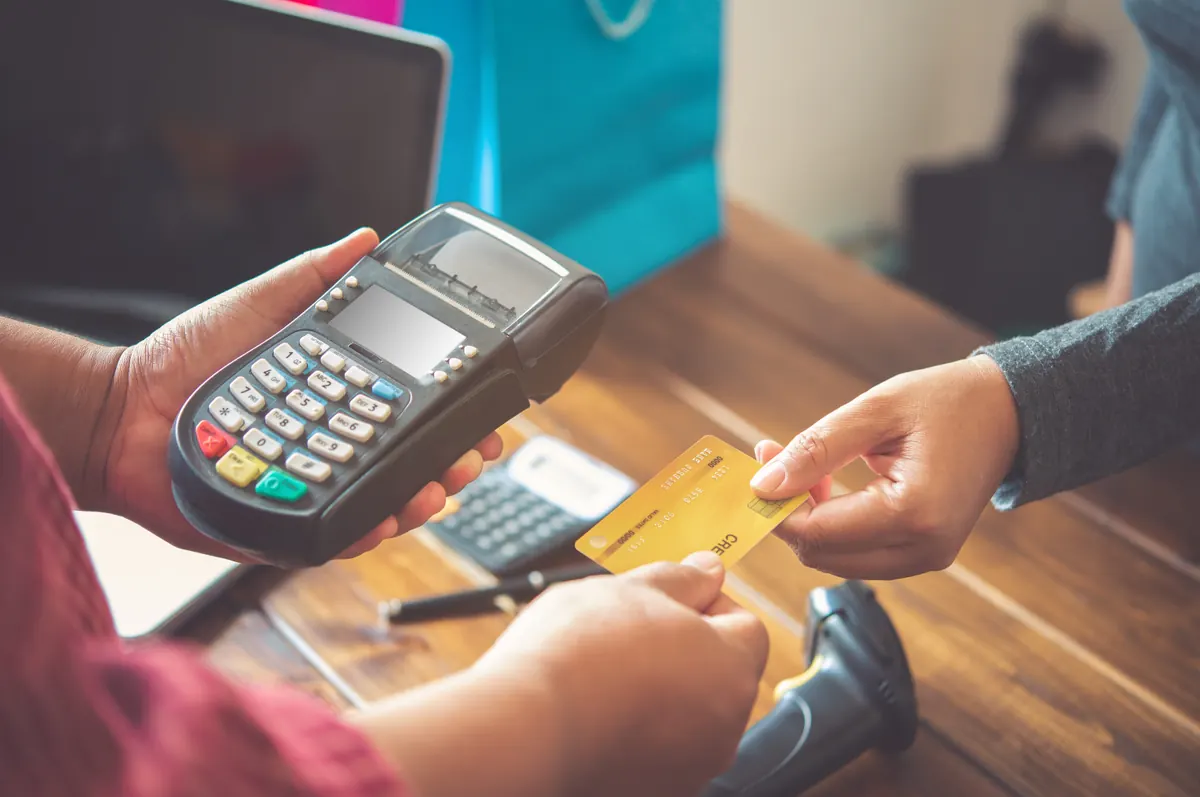
Fragmented payment stacks cost more than you think. See why a unified payment platform gives global scale-ups a structural advantage.
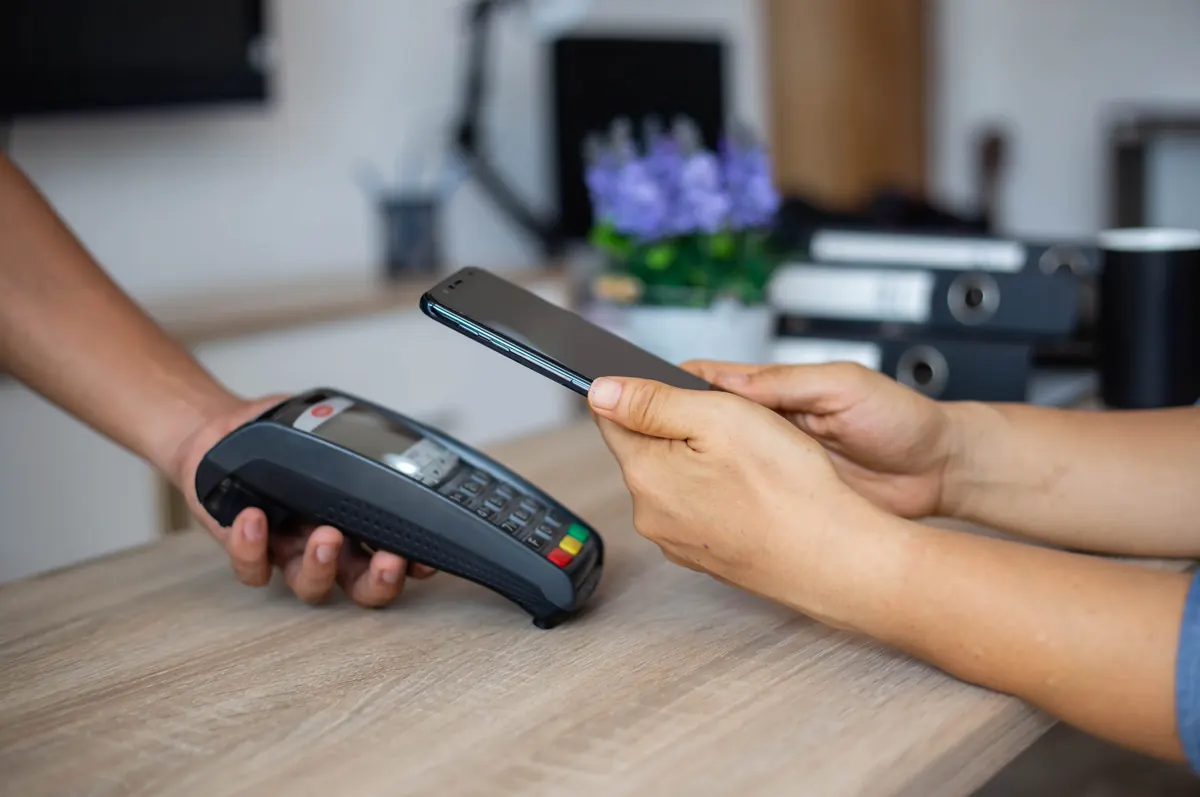
This architecture guide walks CFOs and CTOs through pay-in layers, seller payouts, FX management, and compliance decisions at scale. Read more.
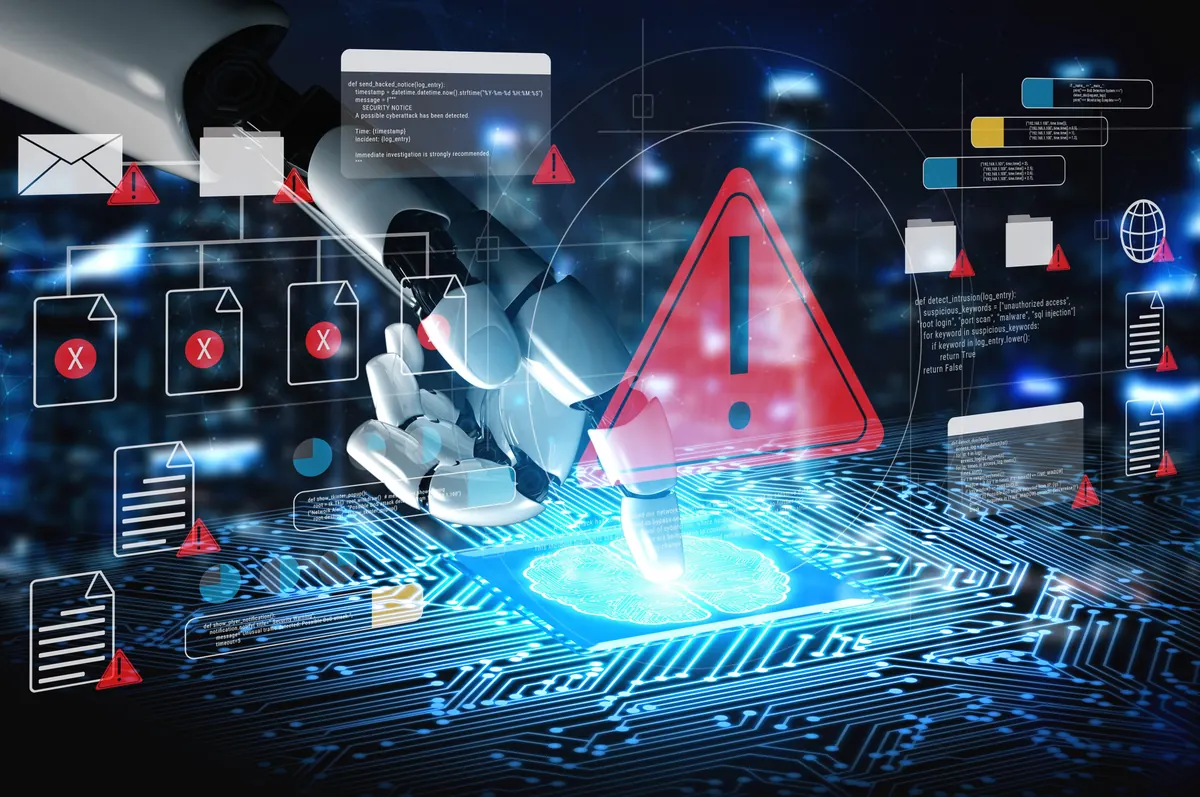
Learn how ML-driven fraud detection reduces chargebacks, cuts false positives, and what to ask any vendor before you commit. Read more of these helpful insights.
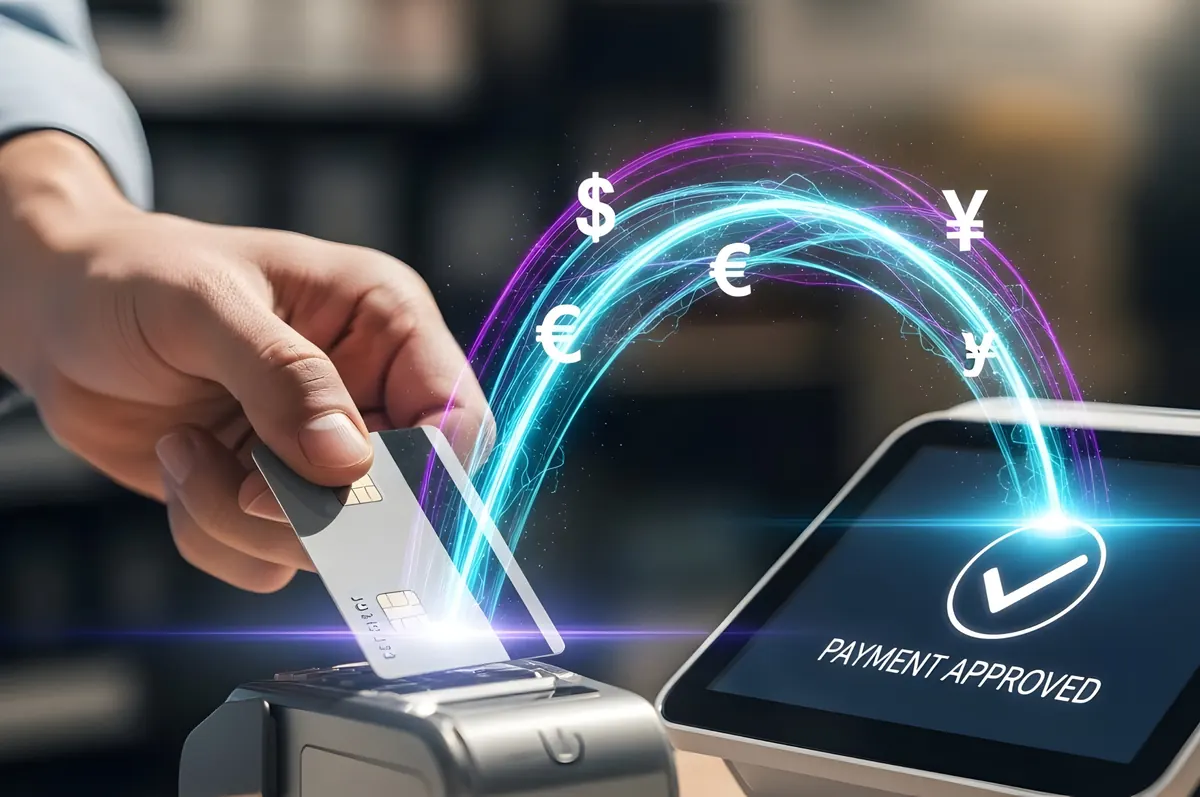
Most CFOs assume their payment provider holds a direct licence. Many don't. Learn the real risks of agent-level PSPs and what to ask before you sign.

In global trade and business activities, cross-border payments play a crucial role. However, the high costs associated with these payments have long been a major challenge for businesses and individuals. Fees in cross-border transactions accumulate quickly, often involving multiple charges, which makes the cost of international payments far exceed expectations. These high costs primarily stem from the complexity of the payment process, which involves the participation of multiple financial institutions, payment processors, and regulatory bodies. Additionally, currency exchange fees and exchange rate fluctuations further contribute to the rise in overall costs.
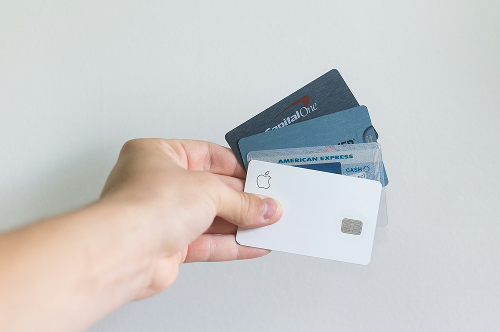
Cross-border card payments have become a core driver of global business development, revolutionizing the way individuals and businesses conduct international transactions. Cross-border card payments refer to the use of payment tools, such as credit or debit cards, by cardholders to make purchases or withdraw cash in countries outside the issuing country. This transaction process relies on a complex system composed of financial institutions, payment processors, and card networks to ensure that transactions are completed securely, efficiently, and on time. The globalization of e-commerce is the main driving force behind the growth of cross-border card payments.

In the context of global economic integration, cross-border payments and foreign currency payments have become an indispensable part of business activities. These payments involve transferring funds from one country to another, often requiring the conversion between different currencies. A network built by banks, financial institutions
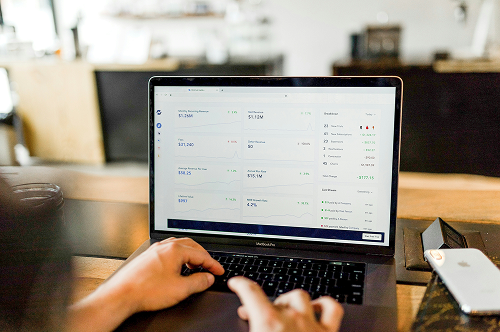
Cross-border payments, as a key component in the financial sector, are increasingly highlighting their importance in global trade. Specifically, cross-border payments refer to the transfer of funds between different countries, a process that often involves currency exchange, thus adding complexity to the transaction. These payment activities are carried out through a network of banks, financial institutions, and specialized payment service providers, which work together to ensure the secure and efficient transfer of funds. The international nature of cross-border payments means that they must navigate different legal and regulatory frameworks, resulting in additional compliance and operational challenges.
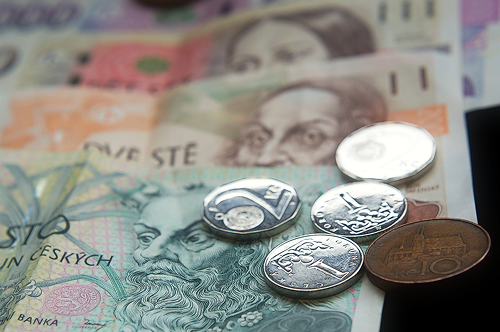
In today’s globalized world, businesses are no longer confined by geographical boundaries. More and more companies are engaging in international trade, offering products and services to customers across the globe. However, collecting payments from international customers can be a complicated process due to differing payment systems, regulations, and currencies. This guide will walk you through how to collect cross-border payments efficiently and securely.
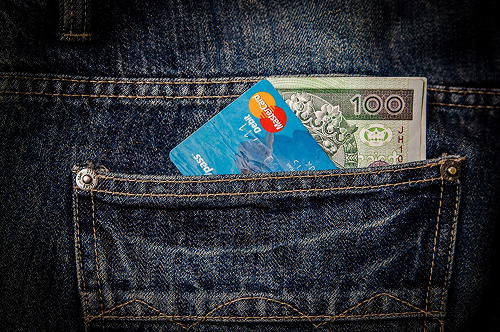
In today’s interconnected world, businesses are increasingly looking to expand their reach beyond their home countries. One crucial aspect of this growth is the ability to accept cross-border credit card payments. This not only makes it easier for international customers to complete purchases but also helps increase your business’s credibility and global presence. Here’s a step-by-step guide on how to accept cross-border credit card payments effectively.

In today's global economy, cross-border payments have become an essential part of business operations for companies of all sizes. However, one of the biggest challenges businesses face in international transactions is the lack of transparency. Hidden fees, unclear exchange rates, and complex processes often lead to increased costs, delays, and even fraud. So, how can businesses improve transparency in cross-border payments? This comprehensive guide outlines practical strategies to help you achieve greater clarity and control over your international transactions.

In today’s interconnected world, where businesses and individuals effortlessly transcend geographical boundaries, the need for efficient, secure, and seamless cross-border payments has never been more critical. The landscape of international transactions is evolving at a rapid pace, driven by technological advancements, regulatory shifts, and changing consumer expectations. This article outlines a vision for the future of cross-border payments—one that is faster, more cost-effective, inclusive, and resilient.

In today’s era of globalization, cross-border payment networks play a vital role in enabling international trade and financial transactions. As businesses extend their reach across borders, the demand for efficient, secure, and reliable payment systems has never been greater. To meet these demands, cross-border payment networks must satisfy a set of key product requirements. This article will explore these essential requirements and explain why they are critical to the success of any cross-border payment network.

Cross-border payments are essential to global commerce, enabling businesses and individuals to send and receive funds across borders. HoIn today’s increasingly interconnected and globalized economy, cross-border payments play a pivotal role in facilitating international trade and financial transactions. While these payments offer convenience, efficiency, and connectivity, they also come with a number of risks that must be managed carefully. This article explores the key risks associated with cross-border payments and highlights the importance of understanding and mitigating them to ensure safe and effective international transactions.wever, one common question that arises is: how long do cross-border payments actually take? The answer can vary significantly based on several factors, which we'll explore in detail below.

Cross-border payments are essential to global commerce, enabling businesses and individuals to send and receive funds across borders. However, one common question that arises is: how long do cross-border payments actually take? The answer can vary significantly based on several factors, which we'll explore in detail below.

Cross-border payments, also known as international payments, involve the transfer of funds between countries or regions through various settlement tools and payment systems. These payments are crucial for settling international debts and credits resulting from trade, investment, and other cross-border activities. As globalization and e-commerce continue to expand, the demand for efficient and secure cross-border payment solutions has grown significantly. Below is a detailed overview of cross-border payments, covering their processes, methods, challenges, and future trends.

In today's interconnected global economy, cross-border payments are essential for enabling businesses and individuals to transact seamlessly across national borders. While these transactions offer convenience and flexibility, they are not without their challenges. This article explores the primary obstacles encountered when making cross-border payments and discusses their implications for both businesses and individuals.

In today’s interconnected global economy, cross-border payments have become a crucial part of international trade and finance. Despite their widespread use, several misconceptions persist regarding the mechanics, costs, and complexities involved in these transactions. This article aims to debunk some of the most common myths surrounding cross-border payments.

In today’s globalized economy, cross-border payments are a vital part of international trade and financial transactions. While these payments enable businesses to operate across borders seamlessly, they also present a range of security challenges that can compromise the confidentiality and integrity of financial data. This article explores the security issues surrounding cross-border payments and offers strategies to ensure their security.

in today’s interconnected global economy, cross-border payments are essential for international trade, investment, and financial transactions. This guide provides a thorough overview of cross-border payments, covering the basics, methods, systems, and more, to help you understand how these payments work.
In today’s globalized world, cross-border transactions have become the norm rather than the exception. Both businesses and individuals are constantly looking for efficient, reliable ways to send and receive payments across international borders. In this context, ONERWAY has emerged as a groundbreaking platform, transforming the way cross-border payments are made.

In today’s globalized world, cross-border transactions are becoming increasingly commonplace. Whether you're an individual sending money to a loved one abroad, a small business expanding into international markets, or a large corporation working with suppliers from across the globe, selecting the right cross-border payment platform is crucial. With numerous options available, each promising the best rates, speed, and security, it can be overwhelming to choose the right one. This article aims to provide a comprehensive comparison of some of the leading cross-border payment platforms to help you make an informed decision.

In today’s globalized economy, businesses are expanding their operations across borders at an unprecedented pace. This growth necessitates the use of reliable and efficient cross-border payment solutions to ensure smooth transactions, minimize costs, and enhance customer satisfaction. With numerous providers in the market, it can be difficult to choose the right one. To help you make an informed decision, here are some key factors to consider when selecting the best cross-border payment provider for your business.
In the world of international commerce, foreign trade payment methods form the foundation of cross-border transactions, ensuring seamless and secure exchanges between buyers and sellers. For businesses engaged in global trade, understanding these payment mechanisms is essential to minimize risks and streamline operations. This article provides an overview of foreign trade payments, explores the various payment methods available, discusses how to select the most appropriate method, and outlines important precautions to consider during the selection process.
Cross-border payment institutions play a pivotal role in enabling international trade and financial transactions. Acting as intermediaries between buyers and sellers in different countries, these institutions facilitate the smooth and efficient transfer of funds across borders. This article explores their functions, challenges, and importance in the global economy.

In today's interconnected global economy, where businesses and consumers interact seamlessly across borders, global cross-border payment institutions play an indispensable role. These institutions act as financial bridges, enabling smooth and efficient transactions between entities in different countries, thereby fueling international trade and economic growth.

In today's interconnected world, cross-border transactions have become a norm rather than an exception. Whether for business purposes, sending money to family abroad, or purchasing goods from international sellers, understanding the available cross-border payment methods is crucial. Here, we explore the various methods that facilitate these international transfers, each with its unique features, benefits, and considerations.

The international payment acceptance ecosystem involves acquirers, merchants, and intermediary professionals like payment facilitators and ISOs. These players offer specialized solutions for different merchant types, expand payment options, and ensure smooth, secure transactions.

In the digital age, ensuring security and privacy has become a major concern, and tokenization technology has emerged as a key solution. Tokenization converts sensitive data into unique tokens with restricted access and limited validity, facilitating secure data transmission and storage.

The BNPL model rapidly expands and gains popularity globally, more consumers are enjoying the convenience and flexibility it offers. With continuous technological advancements and further market expansion, BNPL is poised to become the preferred payment method for more consumers, bringing more innovation and change to the global shopping experience.
Click to Pay is built on global payment industry standards, allowing quick payments using Mastercard, Visa, Discover, and other cards. Its simple and flexible components enable rapid establishment of payment channels between payment service providers and merchants, providing consumers with a secure and fast payment experience while effectively preventing fraud.

As the use of online trading platforms continues to increase, merchants face numerous challenges along with new opportunities. Among these challenges, fraud is a significant threat. From 2018 to 2023, online merchants lost $130 billion due to payment fraud. This is an increasingly serious issue. Such fraudulent activities cause not only direct financial losses but also damage merchants' reputations and customer trust, undermining the fair competition environment in the market...
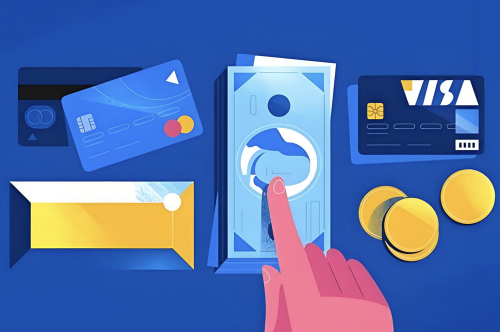
In the world of cross-border trade, secure online payments are essential. 3D Secure (3DS) technology adds an extra layer of verification to reduce fraud and unauthorized transactions, protecting consumers and merchants. Discover how 3DS evolves to provide a seamless, secure online shopping experience.
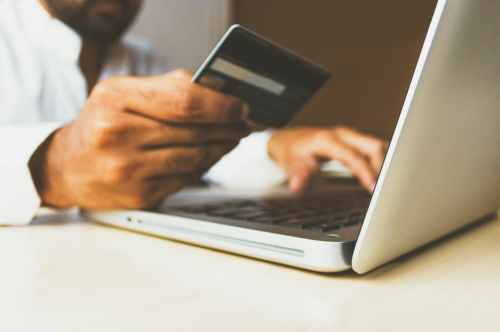
Visa is upgrading its merchant monitoring program by integrating VDMP & VFMP into the new VAMP! This will simplify fraud and chargeback monitoring for merchants, improving risk management and efficiency.